






Essential Pre-Winter Maintenance Checklist for Western Kentucky Drivers
Schedule Winter Service in Owensboro
What Pre-Winter Maintenance Checks Protect Your Vehicle in Owensboro, KY?
Freezing temperatures, sudden sleet, and icy morning road conditions require deliberate preparation to keep your truck, SUV, or sedan running smoothly. Performing key maintenance tasks before winter arrives prevents unexpected breakdowns and extends the operating life of critical mechanical components. A comprehensive seasonal evaluation safeguards your daily commute when regional highways turn slick and unpredictable, with some essential pre-winter checklist items including:
- Battery testing and terminal cleaning: Cold weather reduces battery output while demanding extra energy for cranking power and heating systems.
- Coolant and antifreeze concentration checks: Proper fluid mixtures guard internal engine passages against cracking and severe thermal stress.
- Wiper blade replacement and washer fluid top-offs: Heavy frost and road salt quickly obscure visibility without heavy-duty winter wiper blades and freeze-resistant fluid.
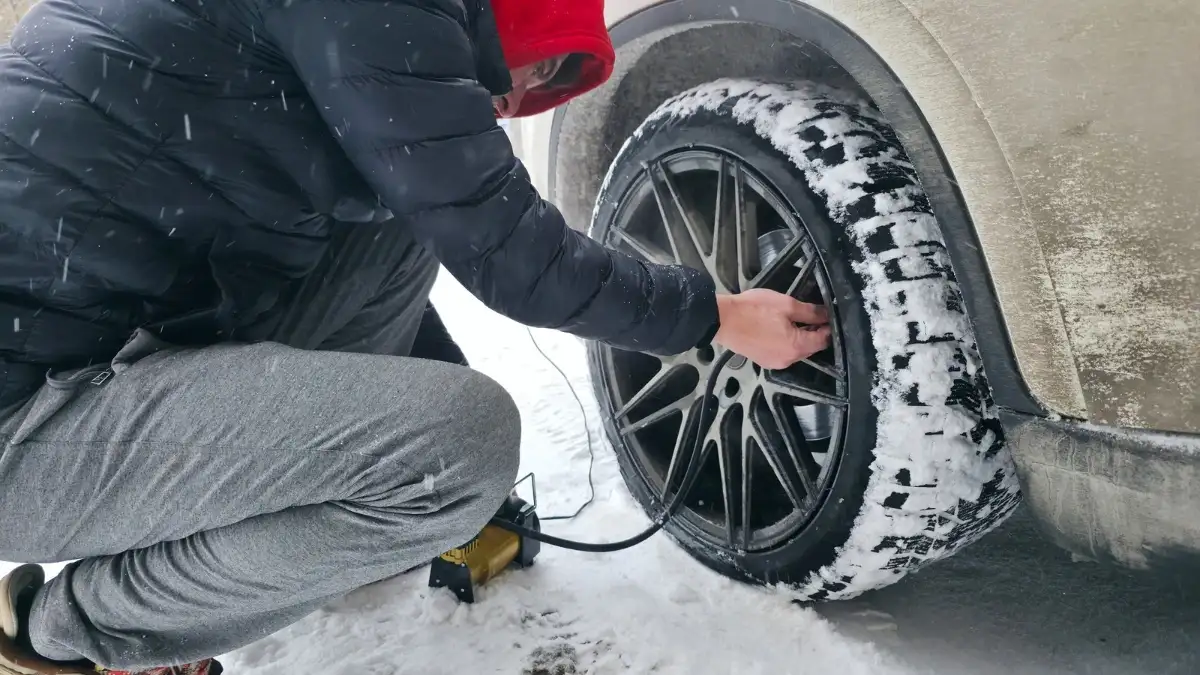
- Tire tread and inflation monitoring: Ambient temperature drops decrease tire pressure by roughly one pound per square inch for every ten-degree shift, weakening traction across wet asphalt or packed snow.
You can get all of these routine diagnostics and more at Vass CDJR, specifically at our CDJR service center in Owensboro, KY.
How Do You Identify When Your Vehicle Needs New Tires Before Winter?
Cold morning commutes across river bridges in Henderson demand maximum grip, making routine tire inspections critical before snowfall begins. Inserting a coin (usually a penny) headfirst into the tread grooves reveals whether your tires retain sufficient depth to channel slush safely. If the top of Lincoln’s remains visible, immediate tire replacement is necessary. Specific signs of tire degradation include:
- Shallow Tread Depth: Worn grooves fail to disperse standing water, drastically increasing hydroplaning risks during cold rainstorms.
- Sidewall Bulges or Cracks: Visible splits or localized bubbling signal structural damage, raising the likelihood of a sudden tire failure under heavy load.
- Frequent Pressure Loss: Constantly needing extra air indicates rim seal corrosion, damaged valve stems, or minor punctures.
- Cabin Shaking: Persistent steering wheel vibration during highway travel often indicates internal belt separation.
How Often Should You Replace Your Vehicle’s Battery?
CDJR model’s batteries should be tested after three years, with annual tests after that. Generally, it’s expected to replace your battery after three to five years, but there are also warning signs that your battery may need an earlier replacement:
-
Sluggish Cranking: The vehicle takes a longer amount of time to start its battery than usual after being turned on.
-
Electrical Issues: Either dim lights or erratic dashboard electronics can signify the battery isn’t operating at peak efficiency.
-
Strange Smells: A sulfur or rotting egg smell can indicate that the battery is leaking, with this also being more obvious if the battery appears bloated or cracked.
-
Dashboard Warning Lights: Most modern vehicles have a warning light that appears if the vehicle senses something is wrong with the battery.
Why Should You Top Off Your Vehicle’s Fluids?
Having the proper concentration of coolants and antifreeze ensures that your vehicle will have an easier time maintaining peak functionality with easier temperature regulation. Additionally, wiper fluid helps keep road salt and other debris off the windshield, with winter-specialized wiper fluid even being able to avoid freezing on your windshield.
Frequently Asked Questions About Winter Tire and Vehicle Maintenance
Schedule an Appointment at Our Owensboro Service Center
If you want to take care of your vehicle before the temperature begins to drop, schedule an appointment at our CDJR service center in Owensboro, KY. If you have any other questions about winter diagnostics, feel free to contact us online at Vass Chrysler Dodge Jeep Ram.

0 comment(s) so far on Essential Pre-Winter Maintenance Checklist for Western Kentucky Drivers